Why electromechanical systems matter in Australia's energy transition
Australia’s energy transition depends as much on reliability as on ambition.
Coal and gas plants are being phased out, yet they remain the backbone of supply, even as renewable energy generation accelerates. The challenge is that many of these stations are well past their intended lifespan while reliability concerns have intensified.
Between October 2024 and March 2025, coal-fired power stations across the National Electricity Market recorded 128 unplanned breakdowns, according to Reliability Watch. On average, about 5.1 GW of coal capacity, or roughly one-fifth of average demand, was offline across New South Wales, Queensland and Victoria, with several units out of service for more than 1000 hours. These failures contributed to price spikes and renewed questions about how long aging assets can sustain supply security.
The Australian Energy Market Operator (AEMO) has highlighted rising reliability risks as aging coal-fired units retire and outages increase, particularly if new capacity and transmission are delayed. It also notes that extreme-weather demand peaks are becoming more challenging to manage under these conditions. Maintaining reliability through this decade, therefore, is not only a matter of adding new capacity. It also depends on how well existing plant assets are managed.
Electromechanical systems at the core of power reliability
Here’s the key: inside every power station lies an intricate network of electromechanical systems (EMS) that form the functional backbone of thermal power plants. Generators convert mechanical energy into the electricity feeding the grid; motors drive the pumps, fans and compressors that keep plants running efficiently; and gearboxes ensure reliable transfer of power across equipment. Many of these were designed for about 30 years of service, but some have now exceeded 50. When any of these fail, the impact can cascade rapidly across the entire plant, and ultimately the grid.
As assets age, problems such as vibration issues, thermal stress and insulation erosion could surface, especially when supported by outdated asset tracking or limited diagnostic tools. If left unaddressed, these issues could derail overall system reliability and trigger a series of failures across interconnected units.
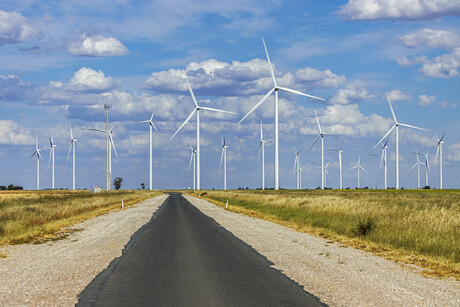
Fast action is required — and not just in coal plants. As Australia’s renewable portfolio grows, the same electromechanical challenges are resurfacing in new forms. Whether in a thermal plant or a wind farm, EMS assets are central to every megawatt delivered. And just as aging coal units struggle with worn generators and outdated diagnostics, renewable fleets are now facing their own challenges as wind turbines clock up decades in service.
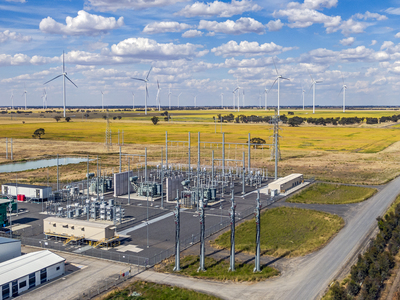
As Australia scales up wind power, it’s important to consider specialised servicing of wind turbine generators, pitch drive motors, yaw motors and gearboxes. Fleet operators will require condition-based maintenance, coil rewinds and predictive analytics to maximise uptime and performance. Inconsistent servicing of these components has already led to lost megawatt-hours, unstable output and failures, especially with older turbine models that have been operating for over two decades.
Preventive maintenance, guided by asset health diagnostics and lifecycle planning, or interventions, is also essential to reduce failure and to safeguard uptime, revenue and worker safety.
For example, Sulzer supported a major Australian wind generator facing a series of failures with innovative repair diagnostics and solutions. Our local team carried out full refurbishment and dynamic balancing for a 3 MW wind generator unit, eliminating overseas lead times for spare parts and ensuring the unit returned to service quickly. The intervention not only avoided extended downtime, but showcased how timely, in-country diagnostics and engineered repairs are critical for aging assets across both traditional thermal plants and newer renewable fleets.
Addressing EMS reliability also supports decarbonisation. Each avoided outage reduces the need for partial load operations and increased reliance on aging coal units, both of which raise emissions intensity. Proactive maintenance and targeted upgrades ensure that thermal plants can operate closer to optimal efficiency, while enabling wind assets to deliver.
Opportunities for the industry
The International Energy Agency (IEA) notes that motor-driven systems in industrial and infrastructure settings consume about 53% of global electricity, yet their energy demand could be reduced by 20–30% through modernisation and optimisation. That potential translates directly to the auxiliary systems of thermal and renewable power plants, where efficient drives and modern controls reduce internal losses and strengthen reliability.
Meanwhile, according to the IEA Energy Efficiency 2024 report, while global energy-efficiency improvements are slowing to just 1% this year, EMS represents one of the few areas where gains of 20–30% remain achievable. In other words, the reliability benefits from looking under the hood of existing assets are still enormous.
Energy asset owners, operators and service providers have a clear opportunity to address these hidden risks, with proactive focus and investment in EMS resilience. This includes the following actions:
-
Embed asset management principles: Routine condition assessments, preventive and scheduled maintenance, and predictive diagnostics, including particle discharge testing to assess insulation health for high-voltage motors and generators, can help flush out potential risks and prompt fixes before issues surface.
-
Audit and prioritise critical EMS components: Motor and generator audits help target refurbishment or upgrades for maximum impact before failures occur. For example, comprehensive generator overhaul programs across Asia–Pacific coal and industrial facilities have demonstrated how targeted maintenance can rapidly return high-voltage units to service. In several recent projects, coordinated interventions restored critical generation assets within tight outage windows of just over two weeks, while proactive inspection and refurbishment strategies identified early wear patterns and extended operational life by well over a decade.
-
Track motor/generator health KPIs to inform maintenance decisions: Incorporating key indicators into reliability reporting helps maintenance teams make evidence-based decisions. In a recent Sulzer case study, an oil and gas facility reduced motor downtime from seven days to just 24 hours, using predictive fault analysis.
-
Adopt fast-turnaround repair and coil replacement services: Preventive maintenance programs, supported by smart diagnostics, in-house rewind capabilities and component stockpiles can minimise downtime and extend asset life.
-
Close the skills gap: Supplement internal capabilities in high-voltage rotating equipment by working with trusted and specialised service providers or upskilling technicians for upgrades and resolving faults efficiently, particularly in critical regions with older infrastructure and high EMS dependency.
Collectively, these actions can reinforce grid resilience and reliability while ensuring the mechanical systems that power Australia’s energy backbone are not left behind.

Reducing electrical injuries in Australian workplaces
Monash research has highlighted a need for better electrical hazards training across a range of...
Electrical infrastructure for Sydney's expanding Metro
Fuji SMBE Macquarie has delivered Australian-made switchboards and power infrastructure to six...
Redesigning energy: can the grid adapt to significant change?
Whether you're an electrical worker, renewable energy proponent or data centre operator, this...